Screenshot, Search, Exposed: How Shoppers Are Catching Fast Fashion's Dirty Design Secret
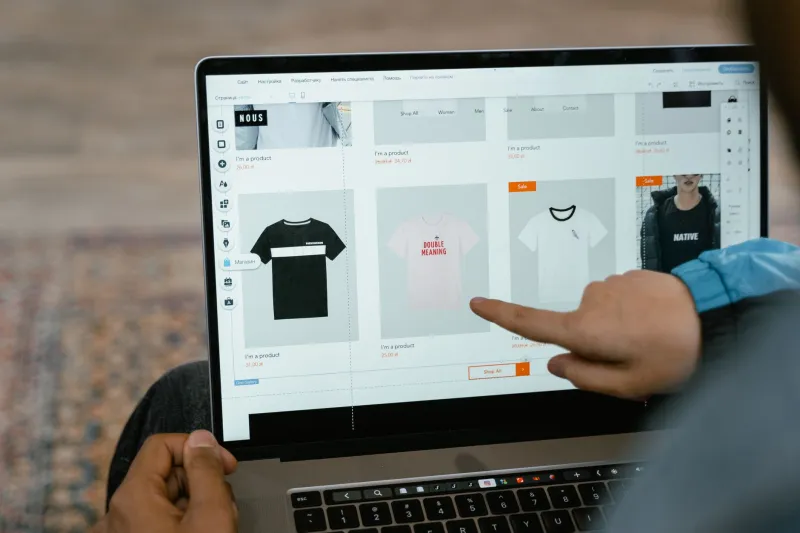
There's a particular kind of fury that hits when an independent artist sees their hand-painted print showing up on a $12 dress at a major retailer. It's not new. What is new is the speed at which people are catching it — and the tools making that possible.
Reverse image search, once a niche trick for tech-savvy journalists and fact-checkers, has quietly become one of the most powerful weapons in the fight against fast fashion's long-running design theft problem. Consumers, critics, and creators are using visual search platforms to trace the origins of garments, compare prints side by side, and build receipts that are hard to argue with.
The Copy-Paste Pipeline Nobody Wanted to Talk About
Fast fashion's business model has always depended on speed. Trend spotted on a runway or a small designer's Instagram? Give it six weeks — or less — and it's mass-produced and sitting on a rack at a fraction of the original price. For years, this process happened largely in the shadows. Independent designers would complain, post side-by-side photos, get a little traction on social media, and then watch the moment fade.
But the tools available today make the paper trail a lot harder to erase.
Visual search platforms — including Google Lens, TinEye, and a growing crop of AI-powered alternatives — can match patterns, color palettes, and even subtle design elements across thousands of product listings simultaneously. You don't need to know the name of the original designer or the exact retailer. You just need one image and a few seconds.
"I uploaded a photo of my textile design and found it on four different fast fashion sites within minutes," one independent surface pattern designer shared in a widely circulated Reddit thread last year. "I didn't even know two of those companies existed."
How the Search Actually Works
For anyone who hasn't tried it, the process is surprisingly straightforward. You take a screenshot or save an image of a suspicious product — say, a floral print dress from a major online retailer — and run it through a reverse image search engine. The tool scans the web for visually similar images, returning results that might include the original artwork, the designer's portfolio, earlier product listings, or even news articles covering previous theft accusations.
Some platforms go further. AI-enhanced visual search tools can identify near-matches even when colors have been shifted, patterns scaled, or elements rearranged — the kinds of modifications fast fashion companies use to muddy the waters and avoid clean copyright comparisons.
Communities on TikTok and Reddit have turned this into something of a collaborative sport. Users post their findings, tag the relevant brands, and build threads documenting patterns of behavior across multiple designers and product lines. The cumulative effect is a kind of crowdsourced accountability that no single designer could pull off alone.
The Designers on the Front Lines
For small creators, especially those selling through platforms like Etsy, Society6, or their own independent storefronts, design theft isn't just an ethical issue — it's an economic one. When a mass retailer undercuts your original $85 print dress with a $15 knockoff, you're not just losing a sale. You're losing the market positioning you built.
The frustrating reality is that copyright law in the US offers limited protection for fashion design specifically. Unlike a song or a painting, the cut of a garment generally isn't copyrightable. Surface prints and original graphic elements do have some protection, but pursuing legal action is expensive, slow, and often not worth it for a small creator going up against a corporation with a legal team.
That's exactly why the visual search approach has become so appealing. It shifts the battleground from courtrooms to public opinion — which, in the age of social media, can move a lot faster and hit a lot harder.
Brands that have faced viral exposure campaigns have sometimes pulled products, issued apologies, or offered settlements. Not always. But enough times that the threat of being publicly caught carries real weight.
The Cat-and-Mouse Gets More Sophisticated
Of course, fast fashion companies aren't standing still. As visual search tools get better at catching near-matches, the methods used to obscure copied designs have gotten more sophisticated too.
Color inversions, mirrored patterns, added or removed design elements — these tweaks are sometimes enough to trip up automated tools or create enough visual distance to complicate a straightforward comparison. Some designs get routed through multiple vendors across different countries before appearing in a US retailer's inventory, making the chain of custody genuinely difficult to trace.
But the community doing this work has gotten savvier in response. Experienced design sleuths know to search multiple platforms, use different tools for different types of matches, and document everything with timestamps. They've learned that a single search result isn't the whole story — the real picture emerges when you layer multiple searches together.
It's a dynamic that mirrors what's happening in other areas of visual accountability online: the tools improve, the evasion tactics improve, and the people using the tools get better at using them.
What This Means for the Future of Fashion Accountability
There's a broader cultural shift happening here that goes beyond any individual case. Shoppers — particularly younger US consumers who came of age watching brands get called out in real time — are increasingly skeptical of fast fashion's design origins. The question "wait, didn't I see this somewhere first?" has become reflexive for a lot of people.
Visual search tools give that instinct somewhere to go. Instead of a vague suspicion, you can have actual evidence within minutes. That changes the dynamic between consumers and brands in ways that are still playing out.
For original designers, the message is increasingly: document everything, publish your work with timestamps, and don't underestimate the power of a well-run image search. For shoppers who care about where their clothes actually come from, visual search is a genuinely useful tool for making more informed decisions — not just about which brands to avoid, but about which independent creators deserve the sale instead.
The copy-paste problem in fast fashion isn't going anywhere overnight. But the people exposing it just got a lot better at their jobs.